
Barbed Wire
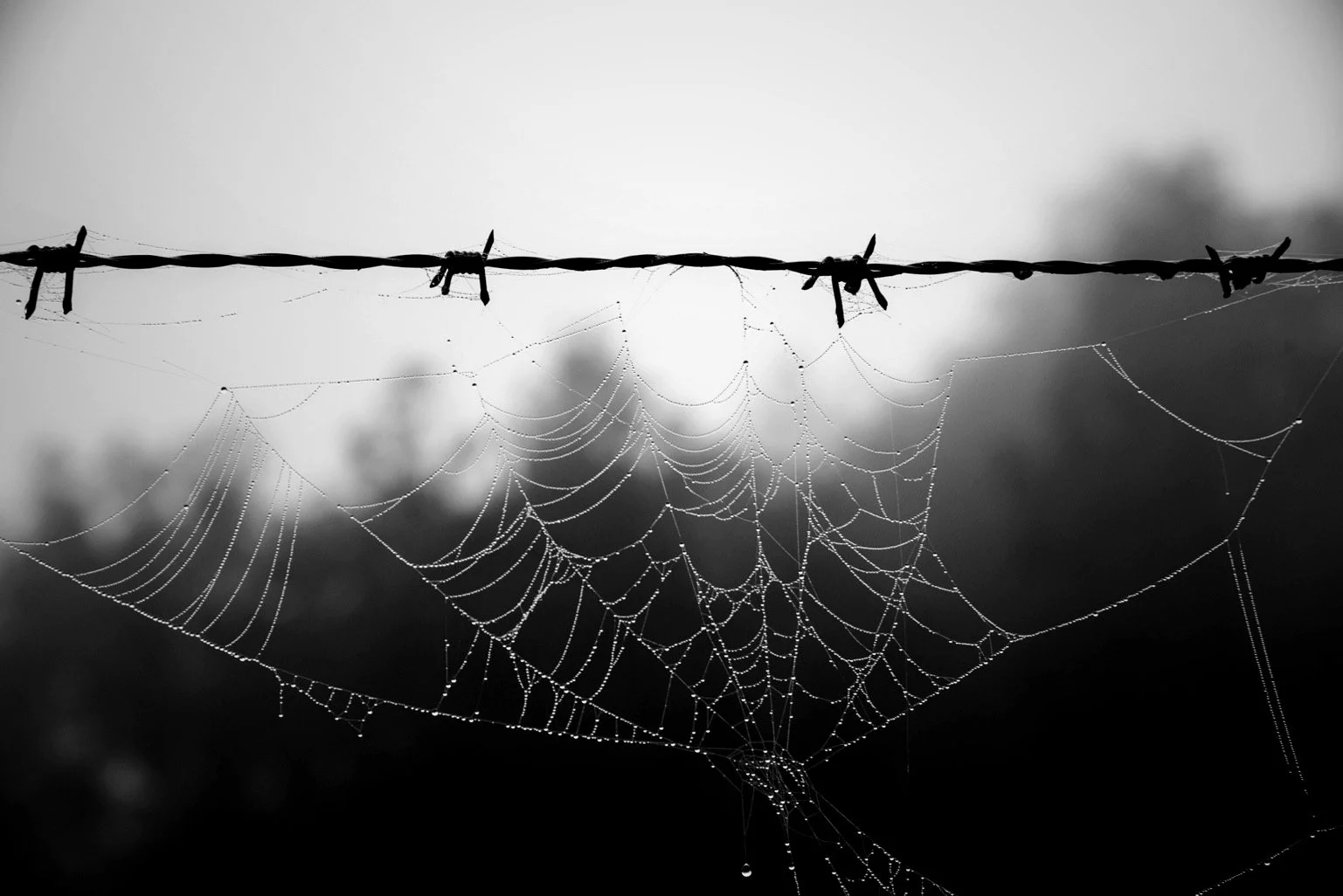
When we first moved here, I barely noticed the barbed wire.
We live in a small valley inside a World Heritage national park, north of Sydney. Steep sandstone ridges, ironbarks, bloodwoods and grey gums, caves and dry creek beds that only run after big rain. It’s pretty tough country — and it’s beautiful.
In the last century or so, people tried to turn this place into something it’s not. Trees were felled, the land was cleared, cattle brought in. Fences went up, strung with barbed wire from the valley floor to the ridge lines.
Long before any of that, this was Country cared for by First Nations people for thousands of years. They were pushed out so people like me could one day live here. I’m still learning what that really means.
When we bought this place nine years ago, we didn’t know much about it. We couldn’t yet see what belonged and what didn’t, which plants were native and which were intruders, where the old scars were. Over time, the land started to teach us, and we’ve slowly become more in tune with it.
About four years ago, we began the work of rewilding. Our neighbours had been caring for their place for over forty years, and our daughters, both ecologists, quietly kept nudging us to look again at how we were caring for this place.
The first big step was moving our cattle out of the valley. We’d grown attached to that little herd of seven — Wilson the bull, a true gentleman, and his girls roaming free. But this is no country for cattle. Their hooves pound the ground, flatten new shoots, don’t give much of a chance to whatever is trying to come back. So they went.
With the cattle gone, the fences suddenly stood out. Without a purpose, they were just lines of rust and spikes cutting through the bush. We had hundreds of metres of barbed wire out there, catching on everything that tried to pass — wombats, wallabies, koalas, gliders, birds.
So we started taking the fences down. It was slow, heavy work. Cutting wire, rolling it up, dragging coils up and down the hill. Some of it had grown into trees. Some of it lay half-buried in the soil. With every section we took out, the place felt a little more open. You could look across and not see those hard, human lines any more.
Somewhere in that process, the barbed wire became more than just old fencing for me.
It made me think about the invisible fences I still live inside — ideas I took on, expectations I inherited, stories about where it feels “safe” to go and where it doesn’t — including writing this. They’re not made of wire, but they still shape my days.
Out here, when I see the rolls of wire lying by the shed, I keep asking myself:
What have I left in place simply because it’s always been there?
I don’t have neat answers. For now, I’m just paying attention to what’s changing on the land, and in me.